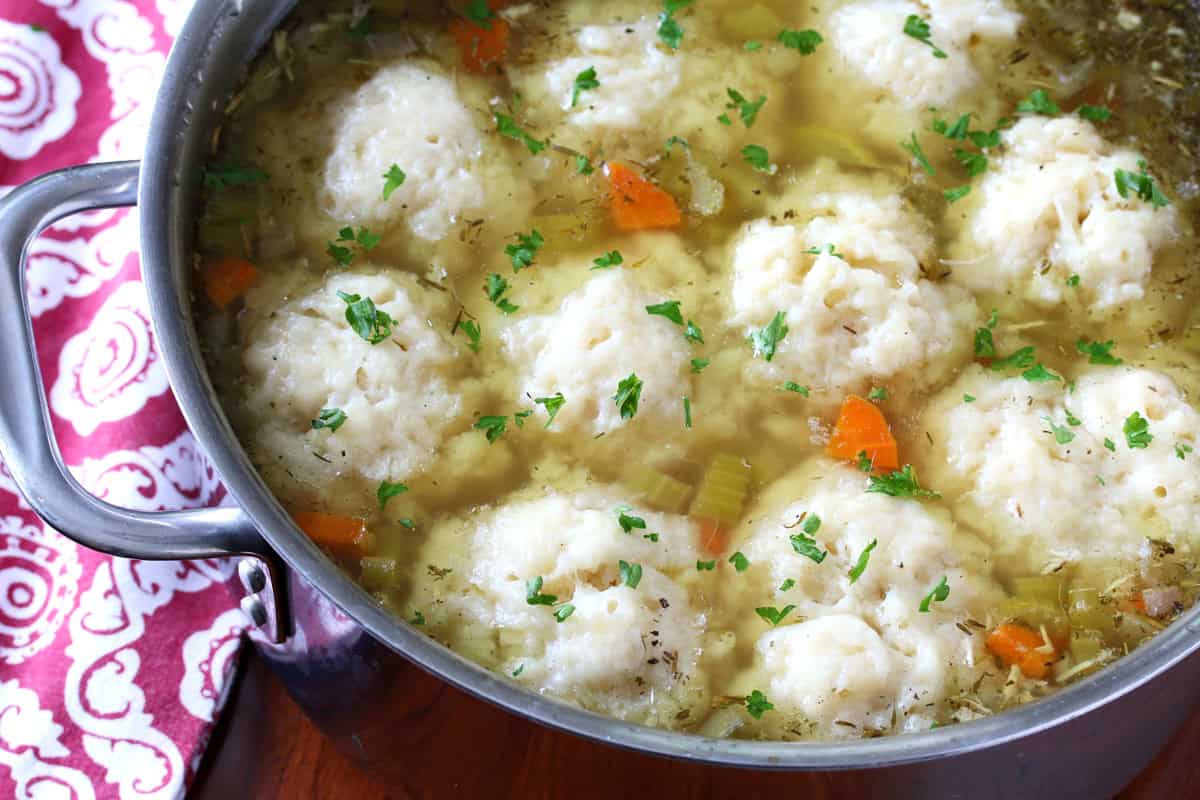
The Quintessential British Comfort Food: What Makes Suet Dumplings So Special?
Imagine a chilly evening, a steaming bowl of hearty stew brimming with tender meat and vegetables, and nestled on top, a cluster of pillowy-soft, utterly delicious morsels. This isn't just a dream; it's the reality of a meal graced by traditional British suet dumplings. A cornerstone of British comfort food, these delightful additions transform a simple stew or casserole into an unforgettable feast, proving that sometimes, the simplest ingredients yield the most profound culinary joy.
For many, including those who may not typically be "stew fans," the allure of these light and fluffy suet dumplings is irresistible. There's a particular magic in how they absorb the rich flavours of the dish below while retaining their unique, airy texture. This isn't just about adding bulk; it's about adding a layer of comforting indulgence that speaks volumes of home-cooked goodness. Originating from a heritage of making the most of available ingredients, suet dumplings have stood the test of time, remaining a beloved classic in kitchens across the UK and beyond.
Understanding Suet: The Heart of the Dumpling
At the core of these magnificent dumplings lies suet. But what exactly is it? Traditionally, suet is a hard, rendered fat derived from beef or lamb. It's distinct from other fats due to its high melting point, which contributes to the characteristic light and open texture of the finished dumpling. Unlike butter or oil which might make a dumpling heavy or greasy, suet melts slowly during cooking, leaving behind tiny air pockets that create that sought-after fluffiness. This makes suet an indispensable ingredient for many classic British baked goods, including Christmas pudding and pastry.
While traditional animal suet is still widely used, the good news for those outside the UK or for those preferring a plant-based option is the widespread availability of vegetable suet. Made from hardened vegetable oils, it performs almost identically to its animal-based counterpart, ensuring that everyone can enjoy these delightful additions to their meals. Brands like Atora are synonymous with suet in the UK, making it an easy find. Whether you choose animal or vegetable suet, understanding its unique properties is the first step to mastering these delectable dumplings.
Unlocking the Secret to Fluffy Suet Dumplings: Ingredients & Technique
The beauty of suet dumplings lies in their simplicity. With just a handful of ingredients, you can create a culinary masterpiece. The secret to their incredible lightness and fluffiness isn't in a complex list of components, but in the quality of those few ingredients and the gentle technique used to bring them together.
Essential Ingredients for Perfection
- Suet: As discussed, this is non-negotiable. Whether beef, lamb, or vegetable, ensure it's finely shredded or pre-prepared, which is how most store-bought suet comes. It provides the signature texture.
- Self-Raising Flour: This is crucial for giving the dumplings their lift. The leavening agents (baking powder) pre-mixed into the flour work in conjunction with the steam from the stew to create an incredibly light crumb. If you only have plain (all-purpose) flour, simply add 1-2 teaspoons of baking powder per 100g of flour.
- Cold Water: The binding agent. Using cold water helps prevent the suet from melting prematurely and keeps the dough manageable. It also helps achieve a lighter texture.
- Salt & Pepper: Simple seasoning is key. A pinch of salt enhances flavour, and freshly ground black pepper adds a subtle warmth.
- Optional Herbs: For an extra layer of flavour, finely chopped fresh parsley, chives, or even a hint of dried mixed herbs can elevate your dumplings.
The Art of Gentle Mixing
The most important technique for achieving fluffy dumplings is not to overwork the dough. Just like scones or pastry, over-mixing develops the gluten in the flour too much, leading to tough, dense dumplings rather than the airy, cloud-like texture we desire. The process is straightforward:
- Combine your dry ingredients and suet in a bowl.
- Gradually add cold water, a tablespoon at a time, mixing lightly with a knife or your fingertips until a soft, pliable dough forms. It should come together, but not be sticky or overly wet. Think of it as just enough to bind everything.
- Resist the urge to knead. Once the dough is formed, divide it into equal portions and gently roll them into golf-ball-sized spheres.
This gentle approach ensures that the suet remains in tiny pockets, ready to melt and create steam, while the gluten is minimally developed, allowing for maximum tenderness.
Step-by-Step Guide to Perfect Suet Dumplings
Ready to make your own? Here’s how to create those perfect, fluffy suet dumplings that will be the crowning glory of your next stew.
Preparation & Mixing
First, gather your ingredients:
- 200g (about 1 ½ cups) self-raising flour (or plain flour + 2 tsp baking powder)
- 100g (about ¾ cup) shredded suet (animal or vegetable)
- Pinch of salt and freshly ground black pepper
- Approx. 4-6 tablespoons cold water (you may need a little more or less)
- Optional: 1 tbsp finely chopped fresh parsley or other herbs
Instructions:
- Combine Dry Ingredients: In a medium mixing bowl, tip in the self-raising flour, shredded suet, salt, and pepper. If using herbs, add them now. Use your fingertips or a fork to mix everything together, ensuring the suet is well distributed throughout the flour.
- Add Water Gradually: Make a well in the centre of the mixture. Pour in 3-4 tablespoons of cold water to start. Using a blunt knife, gently bring the flour mixture into the water, mixing until it starts to come together. Add more water, a tablespoon at a time, until a soft, slightly sticky dough forms. Be careful not to add too much water; you want it just moist enough to hold its shape.
- Form the Dumplings: Lightly flour your hands. Take small portions of the dough (about the size of a golf ball) and gently roll them into spheres. Do not press too hard or compact the dough. Aim for about 8-12 dumplings, depending on desired size. Place them on a lightly floured plate.
Cooking the Dumplings to Perfection
The traditional method for cooking suet dumplings involves steaming them atop a simmering stew. This method is key to their light texture and ensures they absorb the wonderful flavours of the dish below without becoming waterlogged.
- Prepare Your Stew: Ensure your stew or casserole is simmering gently on the stovetop. There should be enough liquid to create steam, but the dumplings shouldn't be completely submerged. The liquid should reach about halfway up the sides of the dumplings.
- Add the Dumplings: Carefully place the raw dumplings on top of the simmering stew. Leave a little space between each one, as they will expand slightly during cooking.
- Cover and Simmer: Crucially, cover the pot tightly with a lid. This traps the steam, which is what cooks the dumplings through and makes them rise.
- Cook Undisturbed: Let the dumplings simmer, undisturbed, for 15-20 minutes. Resist the temptation to lift the lid! Every time you peek, you release valuable steam, which can impede their rise and fluffiness.
- Check for Doneness: After 15-20 minutes, remove the lid. The dumplings should have puffed up considerably, look firm, and be cooked through. You can test one by gently pressing it; it should spring back.
For more detailed insights and to truly Master Perfect Suet Dumplings: Light, Fluffy & Guaranteed, explore our dedicated guide.
Serving Suggestions & Customization: Beyond the Stew Pot
While suet dumplings are a match made in heaven for classic beef stews, lamb casseroles, or hearty chicken and vegetable pots, their versatility extends further. They are the ideal accompaniment for any slow-cooked, saucy dish that benefits from a textural contrast and a comforting addition. Think beyond the usual: they can elevate a rich vegetable curry, a robust sausage casserole, or even a mushroom ragout.
Creative Additions to Your Dumpling Dough
Don't hesitate to experiment with the basic recipe to tailor it to your tastes or the specific dish you're making:
- Cheese Lovers: Grate in some mature cheddar or Parmesan cheese for a savoury, tangy twist. Perfect with a rich beef stew.
- Herbaceous Delights: Beyond parsley, consider fresh sage with pork dishes, rosemary with lamb, or chives for a subtle oniony note.
- Spicy Kick: A pinch of cayenne pepper or smoked paprika can add warmth and depth, especially good with spicier stews.
- Onion & Garlic Infusion: Add a teaspoon of onion or garlic granules (not powder, as it can be too strong) for a pervasive savoury flavour.
Remember, the goal is to enhance, not overpower. Start with small amounts of flavourings and adjust to your preference. These small tweaks can transform your beloved suet dumplings into an even more personalized and exciting culinary experience.
Troubleshooting Common Dumpling Dilemmas
Even with a simple recipe, sometimes things don't go exactly as planned. Here are some common issues you might encounter when making suet dumplings and how to fix them:
- Hard, Dense Dumplings: This is the most common complaint. The culprit is almost always overworking the dough. Remember to mix gently and only until the ingredients are just combined. Another reason could be not enough leavening (if using plain flour and not enough baking powder) or not enough suet. Ensure your pot is tightly covered during cooking to trap steam.
- Soggy or Disintegrated Dumplings: If your dumplings fall apart or become a soggy mess, you might have added too much water to the dough, or the stew might be boiling too vigorously. Ensure your dough is soft but firm enough to hold its shape, and maintain a gentle simmer for your stew.
- Sticky Dough: If your dough is too sticky to handle, try adding a tiny bit more flour, a teaspoon at a time, until it's workable. Ensure your water is cold, as warm water can make the suet too soft.
- Uneven Cooking: Ensure your stew has enough liquid for steam, and that your dumplings aren't overcrowded in the pot. Leave a little space for expansion and even cooking.
Like any cooking skill, making perfect suet dumplings takes a little practice. Don't be discouraged by initial attempts; with a few tries, you'll master this classic comfort food.
Embrace the Comfort of Homemade Suet Dumplings
From their humble origins to their revered status on countless dinner tables, suet dumplings are more than just an accompaniment; they are an integral part of the British culinary tapestry. Easy to make, incredibly versatile, and profoundly satisfying, they epitomize warmth and home comfort. Whether you're a seasoned chef or a kitchen novice, whipping up a batch of these fluffy delights is an incredibly rewarding experience. So, next time you're planning a hearty meal, reach for the suet and flour, and prepare to elevate your stew into a truly memorable feast. Your taste buds (and perhaps your family!) will thank you.
