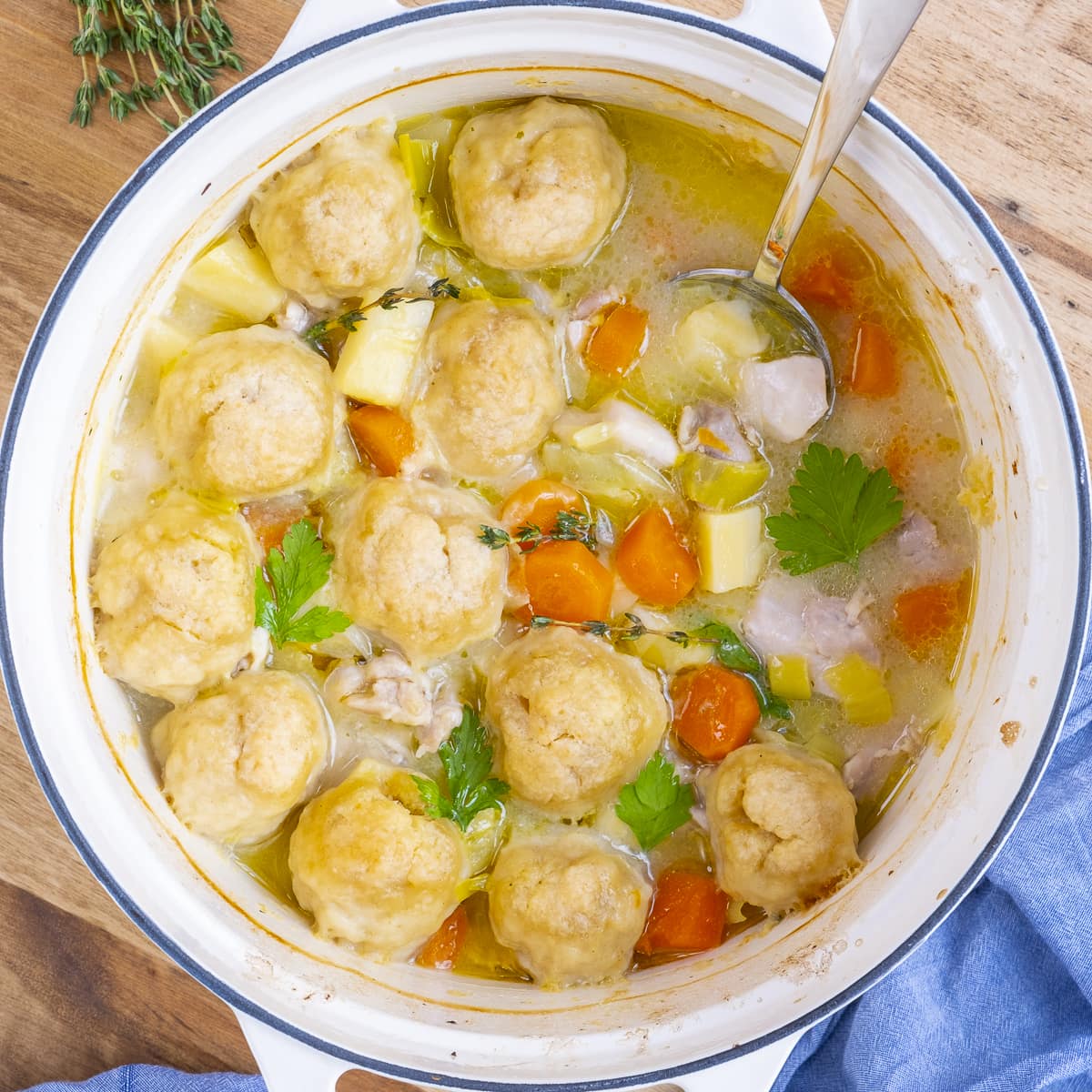
Traditional British Suet Dumplings: Your Quick & Easy Stew Topper
There’s a certain magic that happens when a hearty, simmering stew meets its perfect companion: a light, fluffy, and utterly delicious suet dumpling. For many, particularly those with a fondness for traditional British cuisine, these humble spheres aren't just an addition; they're the crowning glory of a comforting meal. They transform a simple stew into an unforgettable feast, making it irresistible even to the pickiest of eaters. Indeed, as I've learned from countless family meals across the pond, a good batch of
Easy & Fluffy Suet Dumplings: A Beloved British Classic can turn a stew from "just okay" to "absolutely divine," a fact my own British mother-in-law has proven time and again with her legendary recipe.
These traditional British suet dumplings are not only a cherished classic but also surprisingly quick and easy to make, requiring just a handful of everyday ingredients. Forget heavy, dense dough balls; the secret lies in the suet, which creates an unparalleled lightness that promises perfection every time. Whether you're a seasoned chef or a beginner in the kitchen, mastering these fluffy delights is well within your grasp, guaranteed to elevate your next stew or casserole.
What Makes Suet Dumplings So Special? The British Secret Unveiled
At the heart of a truly authentic British suet dumpling lies, unsurprisingly, suet. But what exactly is it, and why is it so crucial for achieving that characteristic light and airy texture?
**Understanding Suet:**
Suet is a hard, rendered fat, traditionally sourced from around the kidneys of beef or lamb. Its unique composition and high melting point are what set it apart from other fats like butter or vegetable oil. As the dumplings cook on top of your simmering stew, the suet slowly melts, creating tiny pockets of steam within the dough. These steam pockets are responsible for the incredible rise and the signature airy, fluffy texture that defines a perfect suet dumpling. When you bite into one, it should be tender and yielding, almost dissolving in your mouth, rather than being chewy or dense.
While traditional beef or lamb suet is a staple in British larders (brands like Atora are ubiquitous), the good news is that vegetable suet is also widely available. This plant-based alternative performs identically in recipes, making it suitable for vegetarians or for those outside the UK where animal suet might be harder to find. It allows everyone to enjoy this beloved classic without compromising on taste or texture. The historical use of suet also speaks to its practical benefits: it was an economical, readily available fat that added richness and substance to otherwise humble meals, a testament to its enduring place in British culinary heritage.
Essential Ingredients for Your Perfect Suet Dumplings
One of the most appealing aspects of traditional suet dumplings is their simplicity. You really only need four core ingredients to create these delightful stew toppers.
1. **Suet:** As discussed, this is non-negotiable for authentic texture. Opt for either finely shredded animal suet or vegetable suet. The fine shredding ensures it disperses evenly throughout the flour.
2. **Self-Raising Flour:** This provides the structure and additional lift. If you don't have self-raising flour, you can easily substitute it with plain (all-purpose) flour combined with a teaspoon of baking powder per 100g of flour. The raising agent is crucial for assisting the steam in creating that light crumb.
3. **Cold Water (or Milk):** This binds the ingredients together to form a pliable dough. Using cold liquid helps keep the suet firm until it hits the heat, further contributing to the light texture. Some prefer milk for a slightly richer, softer dumpling, but water works just as well.
4. **Salt:** A pinch of salt enhances all the flavours, ensuring your dumplings aren't bland.
**Optional Enhancements:**
While the basic four ingredients are all you need, a few additions can elevate your dumplings further:
* **Black Pepper:** A generous grind adds a subtle warmth.
* **Dried Herbs:** Classic choices include parsley, chives, thyme, or a mixed herb blend. Adding a tablespoon or two introduces a lovely aromatic dimension that pairs wonderfully with rich stews.
* **Grated Cheese:** For a decadent twist, stir in a handful of finely grated mature cheddar cheese for savoury, cheesy dumplings.
Whipping Up Your Dumplings: A Quick & Easy Method
Making suet dumplings is incredibly straightforward. The key is gentle handling and understanding the cooking environment.
1. **Combine Dry Ingredients:** In a mixing bowl, combine the suet, self-raising flour (or plain flour + baking powder), and salt. If using, now is the time to add any dried herbs or pepper. Use your fingertips to gently rub the ingredients together until evenly distributed. There's no need for extensive rubbing; just ensure the suet is well dispersed through the flour.
2. **Add Liquid Gradually:** Pour in the cold water or milk, a little at a time, mixing with a knife or your hand. Continue adding liquid until the mixture just comes together to form a soft, pliable dough. Be cautious not to add too much liquid, as this can make the dumplings heavy. The dough should be slightly sticky but manageable.
3. **Form the Dumplings:** Lightly flour your hands and gently roll the dough into small balls. Aim for a consistent size, usually about 1.5 to 2 inches (4-5 cm) in diameter. Avoid compressing them too much; keep them light.
4. **Cook on the Stew:** Ensure your stew or casserole is simmering gently but steadily. The liquid should be bubbling sufficiently to create steam. Carefully place the formed dumplings on top of the simmering stew. Do not submerge them. They need to cook by steaming, not boiling directly in the liquid.
5. **Cover and Steam:** Crucially, put a tight-fitting lid on your Dutch oven or pot immediately. The steam trapped inside is what cooks and expands the dumplings. Resist the urge to peek! Opening the lid releases the precious steam, which can cause your dumplings to collapse or become dense.
6. **Cooking Time:** Allow the dumplings to steam undisturbed for about 20-25 minutes. They should double in size, appearing puffy and light. A skewer inserted into the centre of a larger dumpling should come out clean, indicating they are cooked through.
Following these steps will help you
Master Perfect Suet Dumplings: Light, Fluffy & Guaranteed every time, ensuring they become the star of your meal.
Beyond the Basics: Tips for Flawless Dumplings & Creative Variations
Achieving consistently perfect suet dumplings is a rewarding skill. Here are some pro tips and ideas for making them truly your own:
**Pro Tips for Perfection:**
* **Don't Overmix:** This is perhaps the most important rule. Overworking the dough develops the gluten in the flour, leading to tough, chewy dumplings instead of light and fluffy ones. Mix just until combined.
* **Keep it Cold:** Using cold suet and cold water helps prevent the fat from melting prematurely, preserving its structure for maximum steam generation.
* **Stew Temperature:** Your stew needs to be simmering at a good, steady pace to generate enough steam. If it’s too low, the dumplings won’t cook properly.
* **Don't Overcrowd:** Give your dumplings space. If you pack them too tightly, they won't have room to expand, and the steam won't circulate effectively, leading to uneven cooking. Cook in batches if necessary.
* **Consistent Size:** Rolling your dumplings to a similar size ensures they all cook through at roughly the same rate.
**Troubleshooting Heavy Dumplings:**
If your dumplings turn out dense or heavy, it's usually due to one of a few reasons:
* **Overmixing:** The most common culprit.
* **Not Enough Steam:** Lid wasn't tight, or stew wasn't simmering hot enough.
* **Too Much Liquid:** Resulting in a wet, heavy dough.
* **Not Enough Raising Agent:** If using plain flour, double-check you added enough baking powder.
**Creative Variations to Try:**
Once you’ve mastered the classic recipe, feel free to experiment:
* **Herbaceous Delights:** Incorporate fresh chopped herbs like rosemary, sage, or chives for vibrant flavour.
* **Garlic & Onion:** A sprinkle of garlic powder or finely minced chives can add depth.
* **Spicy Kick:** A pinch of cayenne pepper or finely chopped chilli adds a warming heat.
* **Cheese & Onion:** Combine grated strong cheddar with finely chopped spring onions for a universally loved combination.
These versatile dough balls aren't just for beef stew. They are fantastic with chicken and mushroom casseroles, rich lamb stews, slow-cooked pork dishes, or even robust vegetable and lentil stews. They soak up the delicious gravy and add a comforting, substantial element to any hearty meal.
In conclusion, traditional British suet dumplings are far more than just a side dish; they are an integral part of a satisfying, comforting meal. Their remarkable lightness, achieved through the unique properties of suet, makes them an irresistible addition to any stew or casserole. With minimal ingredients and a simple method, you can easily create these beloved
Easy & Fluffy Suet Dumplings: A Beloved British Classic, transforming an ordinary dinner into an extraordinary culinary experience. So, next time you're planning a hearty meal, remember this quick and easy stew topper – your taste buds will thank you!