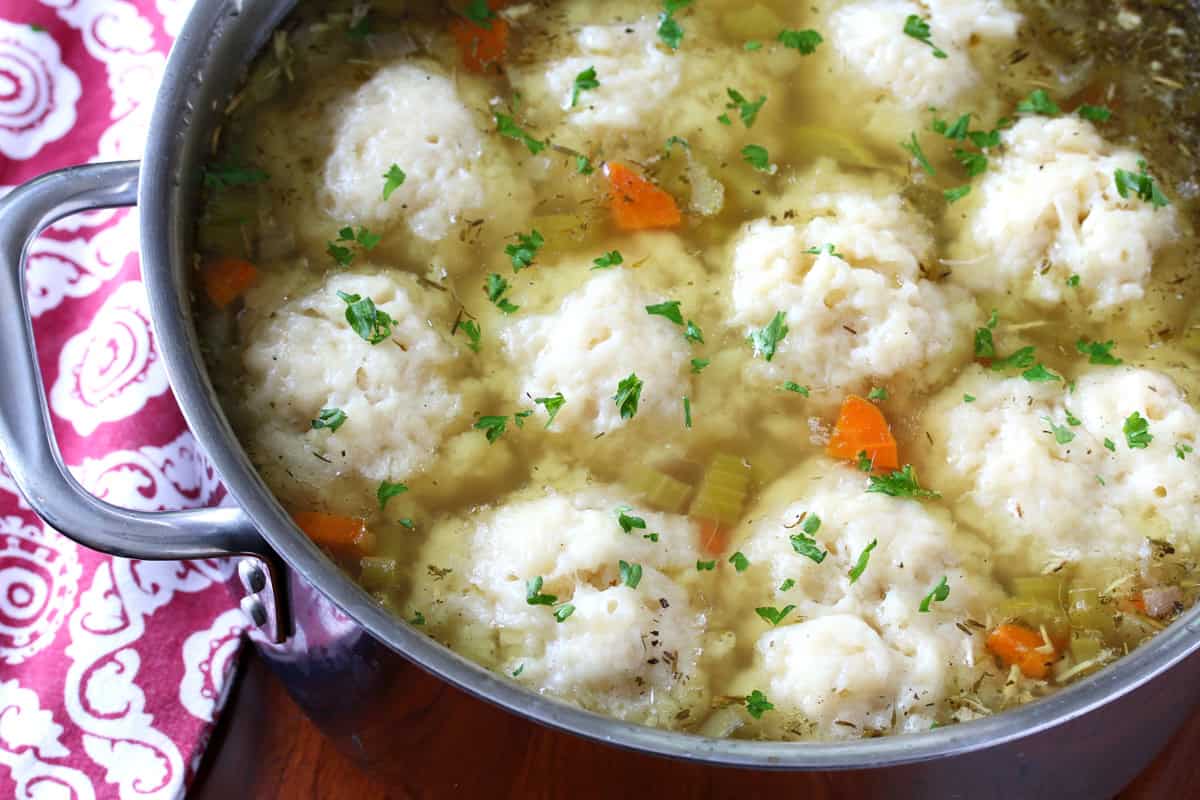
Master Perfect Suet Dumplings: Light, Fluffy & Guaranteed Every Time
Imagine sinking your teeth into a cloud-like, savoury morsel, perfectly perched atop a rich, bubbling stew. That, my friends, is the unparalleled delight of a well-made suet dumpling. A cornerstone of British comfort food, these humble yet utterly satisfying dough balls have the power to transform even the simplest of casseroles into a feast. If you've ever dreamt of achieving those elusive light and fluffy suet dumplings – the kind that soak up every drop of delicious gravy without turning into leaden cannonballs – you’ve come to the right place. We're about to unveil the secrets to guaranteed perfection, drawing on generations of culinary wisdom to ensure your suet dumplings are nothing short of divine. For years, I witnessed the magic firsthand in a British kitchen. My English mother-in-law, a true purveyor of traditional home cooking, could whip up suet dumplings that were consistently light, delicate, and utterly irresistible. They were a particular favourite of my husband, a man who, despite his general indifference to stew, would gleefully clear his plate if it came crowned with her exquisite dumplings. It's this family-taught expertise, combined with a deep dive into the 'why' behind the 'how', that forms the foundation of mastering these culinary gems. Get ready to elevate your hearty meals with this simple, quick, and undeniably delicious addition!The Magic Ingredient: Unpacking Suet and Its Role in Fluffy Dumplings
At the heart of every truly authentic and outstanding suet dumpling lies its namesake ingredient: suet. Often misunderstood outside of traditional British cooking circles, suet is not just any fat – it's a specific, hard, rendered fat, typically sourced from around the kidneys of beef or lamb. Its unique composition is precisely what grants suet dumplings their signature light, airy texture and rich, savoury depth. Unlike butter or other fats that might melt too quickly, suet has a high melting point. When incorporated into the dough and subjected to the moist heat of a simmering stew, the tiny pockets of suet slowly melt, leaving behind miniature air pockets. This internal structure is what prevents the dumplings from becoming dense and heavy, instead creating a myriad of delicate little caverns that effortlessly absorb the stew's flavourful broth. It's this very process that ensures those Easy & Fluffy Suet Dumplings: A Beloved British Classic are indeed light and fluffy.Animal vs. Vegetable Suet: What You Need to Know
Traditionally, beef or lamb suet was the standard. Its robust flavour subtly enhances the richness of a meat stew. However, with evolving dietary preferences and challenges in sourcing, vegetable suet has become a widely available and excellent alternative. Made from vegetable oils (often palm oil), vegetable suet mimics the texture and melting properties of animal suet, making it suitable for both vegetarian dishes and those who simply prefer a plant-based option. Brands like Atora are incredibly common in the UK and readily available in international aisles of larger supermarkets or online. Outside the UK, finding traditional animal suet can sometimes be a challenge, requiring a trip to a specialist butcher. However, vegetable suet is generally much easier to locate, ensuring that the joy of suet dumplings is accessible to all, regardless of location or dietary choice. The key takeaway here is that whether you opt for animal or vegetable suet, its distinct properties are non-negotiable for achieving that classic, light texture.Mastering the Art: Simple Steps for Guaranteed Fluffy Suet Dumplings
The beauty of suet dumplings lies in their simplicity. With just a few staple ingredients and a gentle hand, you can create these culinary marvels with surprising ease. The promise of "Perfection every time, guaranteed!" isn't an exaggeration – it's achievable if you follow a few core principles.The Essential Ingredients (Often Just Four!)
- Self-Raising Flour: This is crucial. The leavening agent (baking powder) already mixed into the flour provides the initial lift, working in tandem with the melting suet for that incredible lightness. If you only have plain flour, simply add 1 teaspoon of baking powder per 100g of flour.
- Suet: As discussed, choose either animal or vegetable suet. The finely shredded variety is ideal.
- Cold Water (or Milk): This is your binding agent. Cold liquids help keep the suet solid until cooking, which is vital for creating those internal air pockets. Milk can add a touch of extra richness.
- Salt & Pepper: A pinch of salt is essential for flavour, and a grind of black pepper adds a subtle warmth.
The Method: Gentle Hands, Perfect Results
The process is wonderfully straightforward. Combine your flour, suet, salt, and pepper in a bowl. Then, gradually add the cold water, mixing with a knife or your fingertips until a soft, pliable dough forms. The crucial part here is to avoid overworking the dough. Too much kneading develops the gluten in the flour, which leads to tough, dense dumplings – precisely what we want to avoid!
Once the dough comes together, gently shape it into small, uniform balls. The size is a matter of preference, but generally, golf ball-sized dumplings work well, allowing them to cook evenly and expand beautifully. For a comprehensive walkthrough and specific quantities, our guide on Traditional British Suet Dumplings: Quick & Easy Stew Topper provides excellent details.
The Cooking Secret: Steam Power!
The magic truly happens during cooking. Place your carefully shaped suet dumplings directly on top of your simmering stew or casserole. It's imperative that the stew is hot and bubbling gently, creating steam. Crucially, pop a tight-fitting lid on your pot or Dutch oven. The steam generated inside the pot is what cooks the dumplings through, causing them to puff up beautifully without becoming soggy. Resist the urge to peek during the first 10-15 minutes; consistent steam is key!
Cook for approximately 15-20 minutes, or until the dumplings have doubled in size and are cooked through. They should be wonderfully pillowy and light to the touch. Once ready, serve them immediately with your hearty stew, allowing them to soak up all that incredible flavour.
Elevating Your Dumplings: Tips, Tricks, and Tasty Variations
While the classic suet dumpling is a thing of beauty in itself, there's always room for a little creative flair. These simple additions can transform your dumplings and add another layer of flavour to your meal.Flavour Enhancements and Customisations:
- Herbs: Freshly chopped parsley, chives, thyme, or rosemary can be added to the dry ingredients for an aromatic boost. Parsley is a particularly popular choice, offering a fresh, vibrant counterpoint to rich stews.
- Cheese: For an extra decadent treat, fold in a handful of grated mature cheddar or Parmesan cheese into the dough. The cheese melts as the dumplings cook, creating pockets of rich, savoury flavour.
- Mustard Powder: A small amount of dry mustard powder (like Colman's) can add a subtle, warming kick and depth of flavour, particularly good with beef stews.
- Onion/Garlic Granules: For a more savoury base, a pinch of onion or garlic granules can elevate the flavour without introducing moisture.
- Wholemeal Flour: For a slightly nuttier flavour and added fibre, you can substitute a portion of the self-raising flour with wholemeal self-raising flour (e.g., a 50/50 mix).
Beyond the Beef Stew: Versatile Pairings
While beef stew is the quintessential partner for suet dumplings, don't limit yourself! These versatile spheres are fantastic with a range of dishes:
- Chicken Casseroles: Add plain or herb-infused dumplings to a creamy chicken and leek casserole for an utterly comforting meal.
- Lamb Tagines or Stews: The robust flavour of lamb pairs beautifully with classic suet dumplings.
- Vegetarian & Vegan Dishes: With vegetable suet, these dumplings are perfect for hearty lentil stews, root vegetable casseroles, or mushroom bourguignon, adding substance and satisfaction.
- Sausage Casserole: A match made in heaven! The rich gravy of a sausage casserole is just begging to be topped with fluffy dumplings.
